You make money with AI animated shorts in five ways: platform payouts, brand deals, affiliate links, selling your own product, and making videos for other people. Platform payouts are the smallest of the five for most channels. A faceless channel that earns well treats views as the way people find it, and earns from what they do next.
We'll start with the uncomfortable part, because every "make $10k a month with AI" video skips it.
What views alone pay
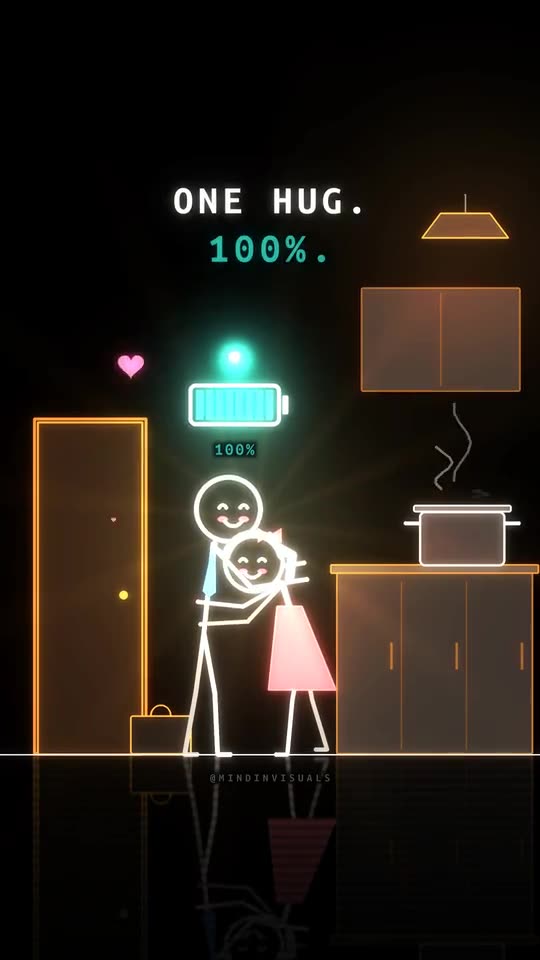
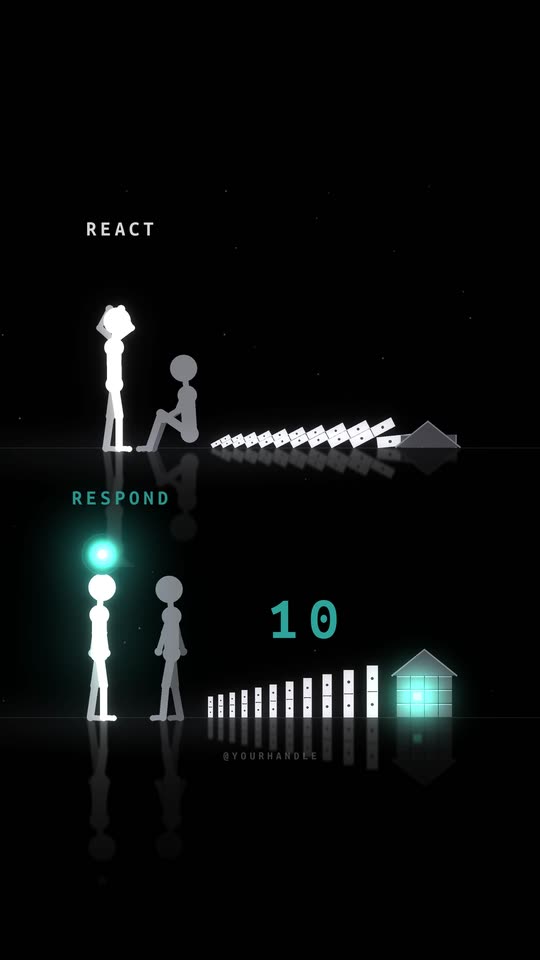
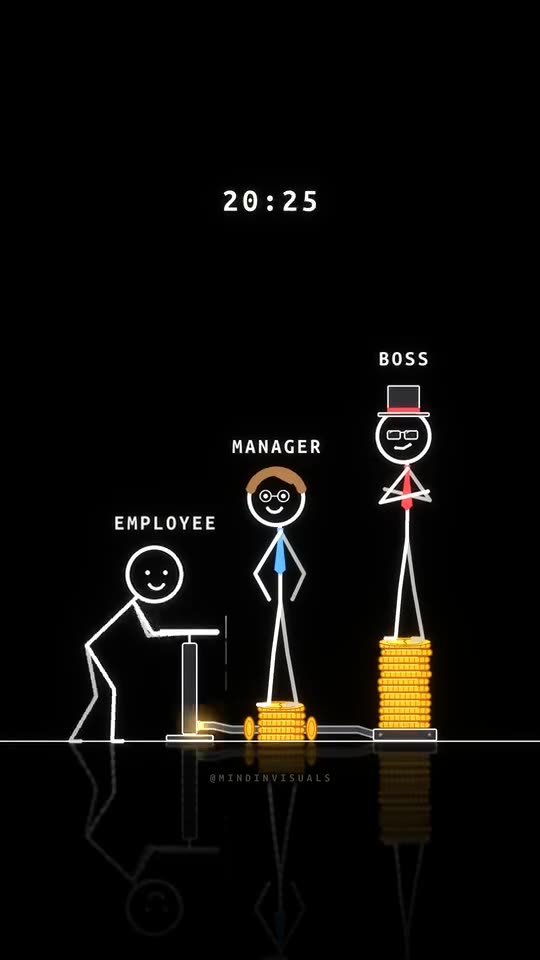
Three of our shorts got 16.4 million views on Instagram in one week. Instagram doesn't pay most accounts per view. Those views were worth exactly what we did with the attention.
On the platforms that do pay:
- YouTube Shorts shares ad revenue with channels in the YouTube Partner Program. Creators commonly report somewhere between a few cents and about 30 cents per 1,000 Shorts views, depending on where viewers live.
- TikTok's Creator Rewards Program pays for videos longer than one minute, and only once you have 10,000 followers and 100,000 views in the last 30 days. Creators report roughly $0.40 to $1.00 per 1,000 qualified views.
So a million Shorts views can be worth $30 to $300, and a million TikTok views on a one-minute video $400 to $1,000. Real money, and not a business on its own unless you're getting millions every week. The full breakdown per platform has the requirements.
The five ways AI shorts make money
1 Platform payouts
Join the YouTube Partner Program and TikTok Creator Rewards as soon as you qualify. It's free money on top of everything else, and it grows with your output. Make some of your TikToks just over a minute, because shorter ones earn nothing from Creator Rewards.
2 Brand deals
A channel with a clear audience is a media buy. A brand that sells a sleep app will pay for a short that fits your channel about late nights, in your style. Faceless doesn't hurt here; the characters are the face. Start pitching once you have a handful of shorts above 100,000 views. Show the numbers, not the follower count.
3 Affiliate links
You link to a product and earn a share of each sale. It suits channels with a "how to" or "best of" angle: money tips, study habits, gear. Put the link in your bio or a link page, say what it is in the video, and only pick products you'd recommend to a friend, because the comments will tell you fast if you didn't.
4 Your own product
The best margin by far. A channel about relationships sells a printable 30-day journal. A channel about money sells a budget template. A kids' story channel sells the stories as a picture book. You already make the art; the product is often a rearrangement of it.
5 Making shorts for others
The fastest one to earn from. Local businesses, coaches, apps and small brands all need short videos, and most of them can't make one. Your own viral channel is the portfolio. Charge per video or per month; a package of eight shorts a month is a simple offer to explain.
How long it takes
Plan on three months before it pays anything real. Not because the platforms are slow (a short can take off on day one) but because you need 50 to 100 tries to learn what your audience shares. Most shorts flop. That's normal on every channel, ours included.
A 90-day plan
Days 1 to 7: pick the niche and the look. One topic people send to friends, and one style you stick to. Write 30 ideas before you make anything. These 20 niches are a starting list.
Days 8 to 30: post every day. Same short on TikTok, Reels and Shorts. Don't change the style. Read the numbers after 24 hours: how much of the video people watched, and how many shared it.
Days 31 to 60: double down. Take your top three shorts and make five more on each theme. Start your affiliate link or a simple product. Make the TikTok versions a little over a minute where the story allows it.
Days 61 to 90: sell. Pitch five brands that fit your audience. Offer three local businesses a sample short for free, then a monthly package.
Where AI fits, and where it doesn't
AI makes the drawing and the editing cheap. It doesn't make the idea. YouTube has said it doesn't pay for mass-produced, repetitive videos, and it means it; read what the rules say about AI videos before you plan to post 20 a day.
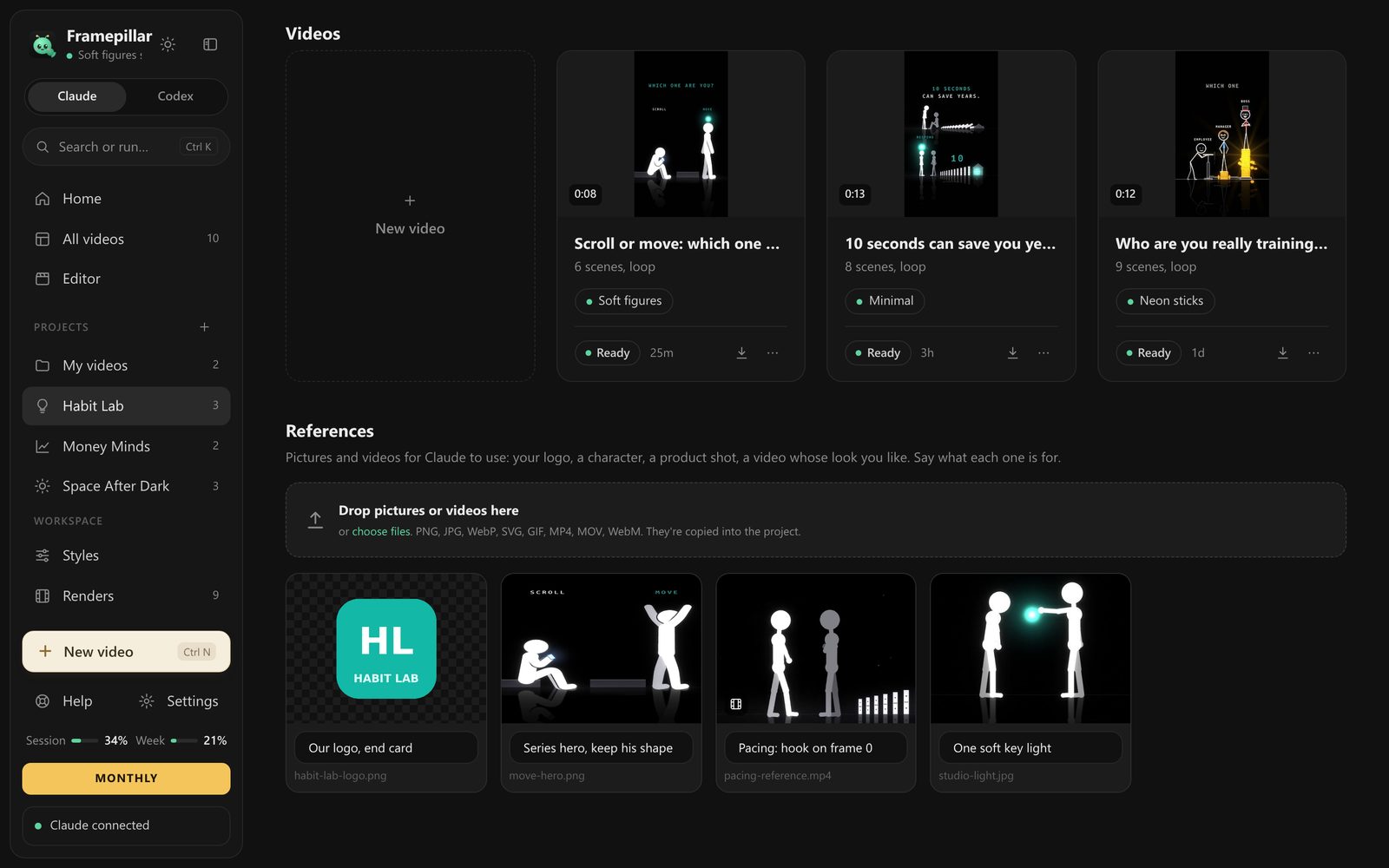
Our own workflow: we write the idea in one or two sentences, and FramePillar writes the scenario, draws it in our style, animates it, adds music and captions, and gives us the vertical cuts and a cover. A first video takes 10 to 20 minutes, most of it hands-off. That's what makes a short a day possible for one person, at $19.90 a month on top of the Claude or ChatGPT plan you already have.
Questions
Can you make money with AI videos?
Yes. Platforms pay AI-made videos the same as any others when they're original and meet the program's rules. Most of the money, though, comes from brand deals, products and client work, not views.
How much does a faceless channel make?
It ranges from nothing to a full income, and anyone quoting a typical number is guessing. A channel getting a few million views a month earns hundreds from payouts and can earn much more from one well-matched sponsor.
Do I need to show my face?
No. Our most viewed shorts are glowing stick figures. A recognisable character or style does the job a face does.
What's the cheapest way to start?
A Claude or ChatGPT plan you may already pay for, a tool that turns ideas into finished shorts, and a free account on each platform.