Yes, you can monetize AI-generated videos on YouTube. YouTube doesn't ban AI. It refuses to pay for what it calls inauthentic content: mass-produced or repetitive videos made from a template with little change between them. An AI channel with its own ideas, its own look and a real point of view gets into the Partner Program like any other.
The confusion started in July 2025, when YouTube renamed its "repetitious content" rule to "inauthentic content" and clarified it. Headlines said "YouTube is demonetizing AI channels". What it actually said was narrower, and more useful to know.
What YouTube won't pay for
The inauthentic content policy covers videos that are mass-produced or repetitive. In YouTube's own examples, that's things like:
- Many videos built from the same template with only small changes.
- Slideshows or image sequences with the same narration style and no commentary.
- Content that's clearly made to be uploaded in bulk, with little care between one video and the next.
None of those is about AI. A human with a stock-footage template can break the rule; an AI channel with a strong idea per video doesn't.
There's a second rule worth knowing: reused content. A channel built on other people's clips (reaction compilations, re-uploaded TikToks) with nothing meaningful added gets refused too.
What YouTube asks you to disclose
Since 2024, YouTube has asked creators to tick a box when a video contains realistic altered or synthetic content, something a viewer could mistake for a real person, place or event. A clearly animated stick figure or a watercolour cartoon doesn't need the label; nobody thinks it's real footage. A realistic AI video of a real politician does.
Getting the label doesn't hurt monetization. Hiding something that needed it can get a video removed.
How to keep an AI channel monetized
Give every video its own idea
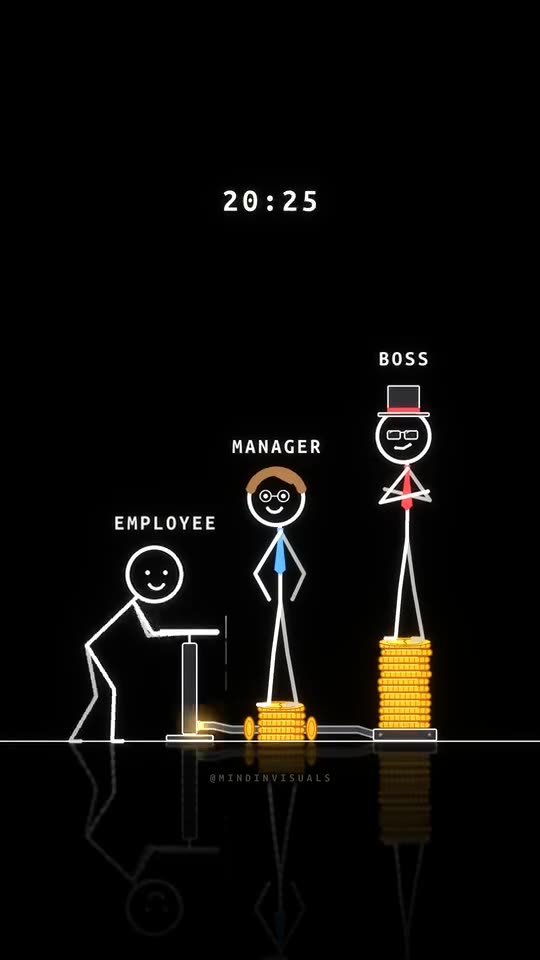
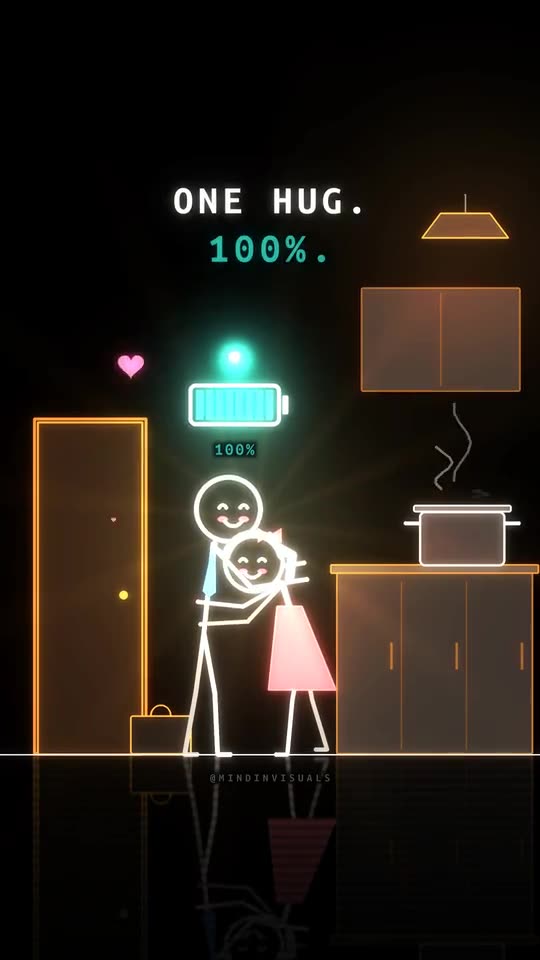
The test is simple: could someone tell your last ten videos apart from their titles? "Who holds your rope?", "Who are you pumping for?" and "One hug. 100%." are three of our shorts, each one a different small story. Same style, different idea.
What goes wrong: one script with the names swapped. "Five facts about lions", "Five facts about tigers", 300 times.
Keep one style, change the story
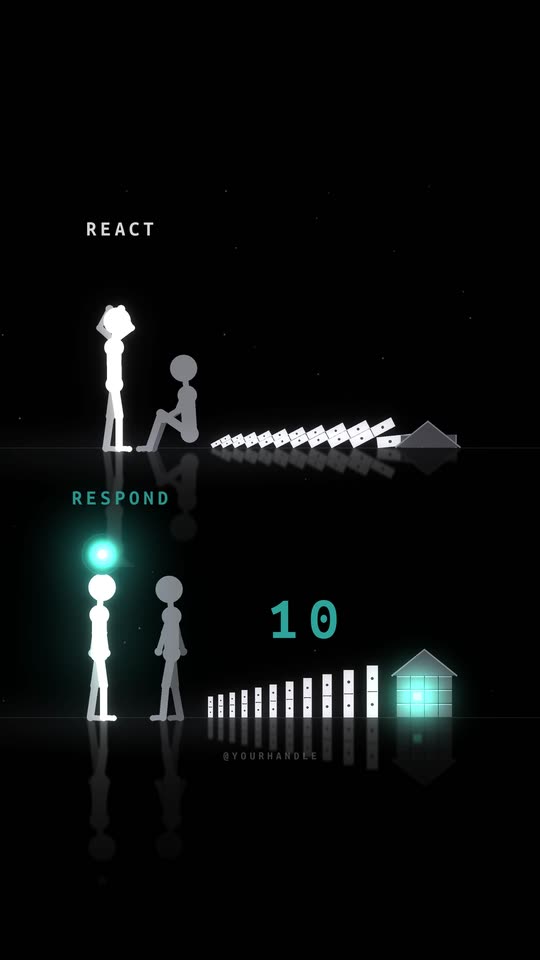
A consistent look is good. It's how people recognise your channel in the feed. Reviewers look for sameness in the content, not in the brand. Our channel uses one style (Neon sticks) on every short.
Post at a human pace
Twenty uploads a day reads as a content farm, to reviewers and to viewers. One or two good ones a day is plenty, and it's what a single person can keep up anyway.
Put yourself in the writing
The voice of the idea, the joke, the question at the end: that's the "authentic" part, and AI doesn't supply it. We write every idea ourselves, in one or two sentences, and let the software do the drawing.
What happens if you're refused
When YouTube reviews your channel for the Partner Program and finds inauthentic content, it rejects the application and you can apply again after 30 days, once you've changed the channel. A channel already in the program can be removed from it. Either way, it's the channel that's judged, so deleting a few videos rarely fixes it alone.
How we make AI shorts that pass
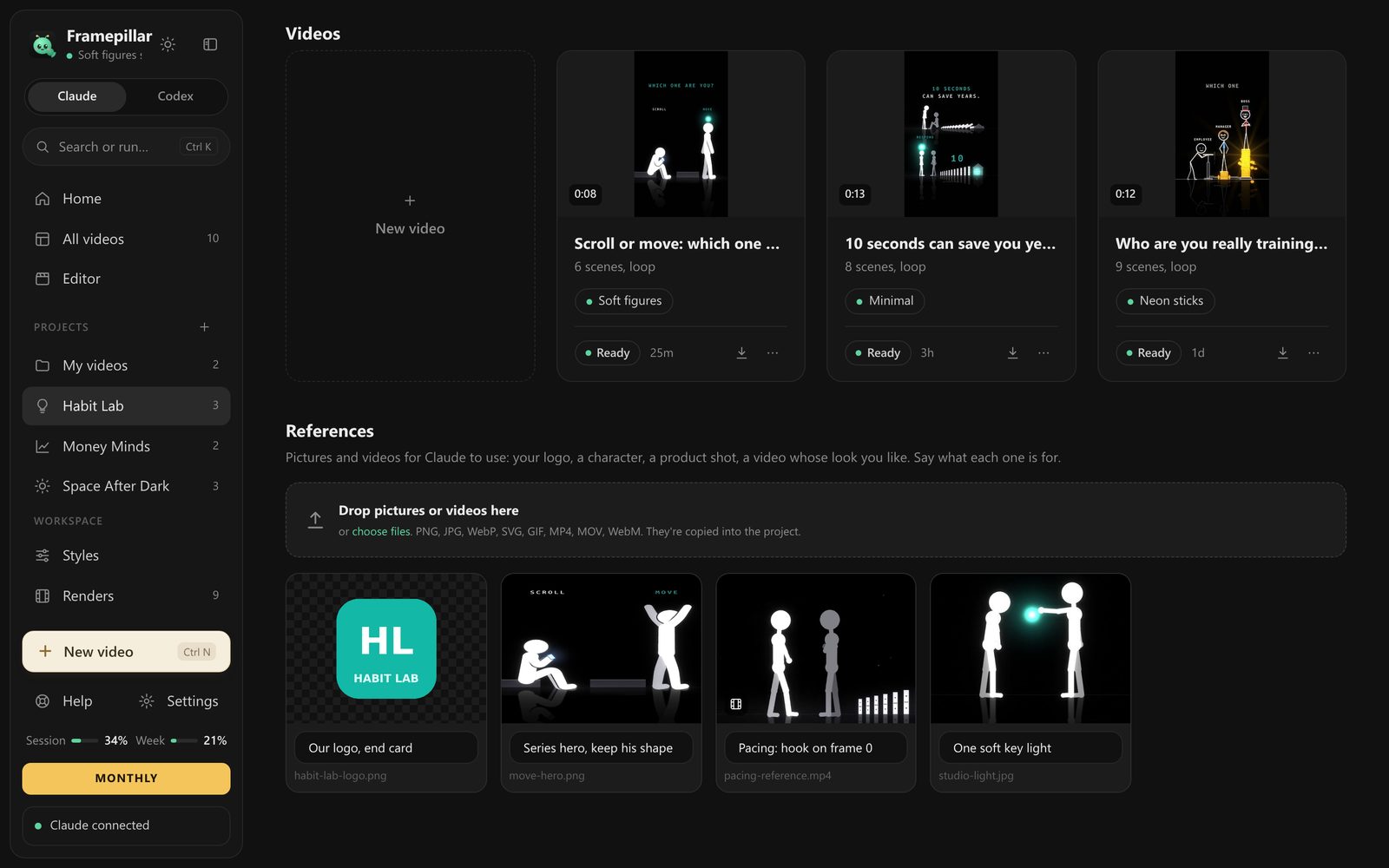
We make our shorts in FramePillar. The idea is ours, typed in a sentence. Claude writes a fresh scenario for it, draws new scenes, animates them and scores music. Nothing is pulled from a library of clips, so no two videos share footage. That's the opposite of the template channel the rule is aimed at.
It also writes the title and description for YouTube for each video, which you should still read and change to your own voice. See how it works in the export lesson.
Questions
Does YouTube demonetize AI channels?
Not for being AI. It refuses or removes channels that post mass-produced, repetitive videos. Many of those happen to be AI-made because AI makes mass production cheap.
Do I need to label animated AI videos?
Usually not. The label is for realistic content a viewer could take as real. Clearly animated or stylised videos don't need it.
Can AI Shorts earn money on YouTube?
Yes. They count toward the 10 million Shorts views in 90 days for the Partner Program and share in Shorts ad revenue like any other. Here's how much Shorts pay.
Can I use AI voices?
Yes. A narrated video with an AI voice is fine if the script is original and the video adds something. The same robotic voice reading lists over stock images, 50 times a week, is what reviewers turn down.